
How to Spot Security Gaps at Your Property Before Someone Else Does
A Practical Walkthrough for Strata and Commercial Properties
Most security gaps at strata buildings, construction sites and commercial properties aren’t complicated to find — they’re just easy to stop noticing once you see them every day. A deliberate walkthrough, done the way someone looking for an opportunity would do it, tends to turn up more than people expect.
Walk the Property Like an Intruder Would
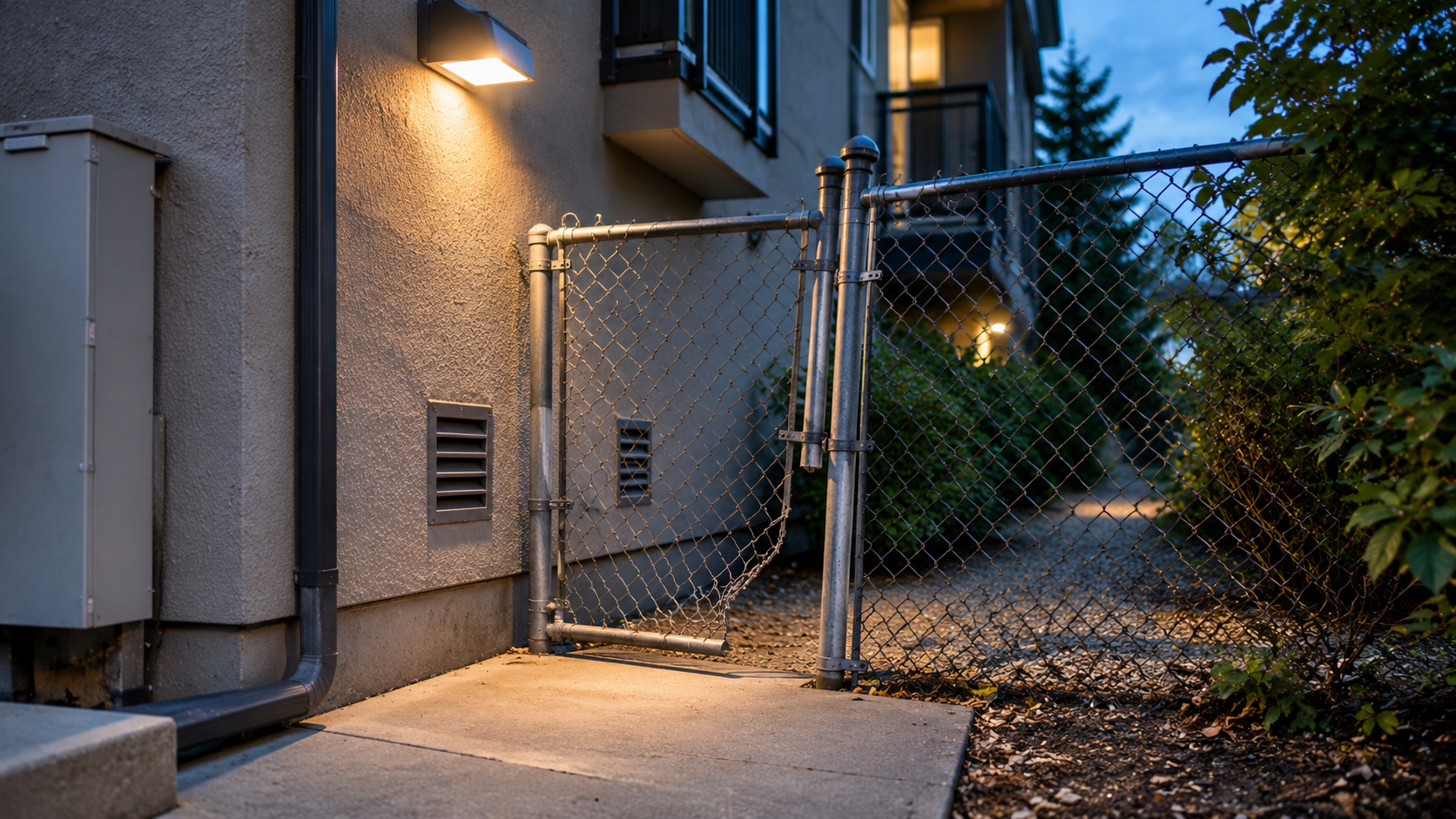
Start outside, at night if possible. Where would someone try to get in unnoticed? Where are the areas with the least lighting, the least foot traffic, or the least visibility from the street or neighbouring units? The answers usually aren’t a surprise once you’re actually looking for them.
Check Every Access Point, Not Just the Main Entrance

- Parkade and garage entrances
- Service doors and loading areas
- Roof access and mechanical rooms
- Secondary or emergency exits that may not latch properly
- Fencing and perimeter gates on construction sites
It’s common for the main entrance to be well secured while a side door, gate or mechanical room is left overlooked simply because it’s used less often.
Review Your Camera Coverage for Blind Spots
Walk your actual camera coverage rather than trusting the system diagram. Landscaping grows, vehicles get parked in new spots, and lighting changes over time — all of which can quietly create blind spots that didn’t exist when the cameras were first installed.
Test the Lighting
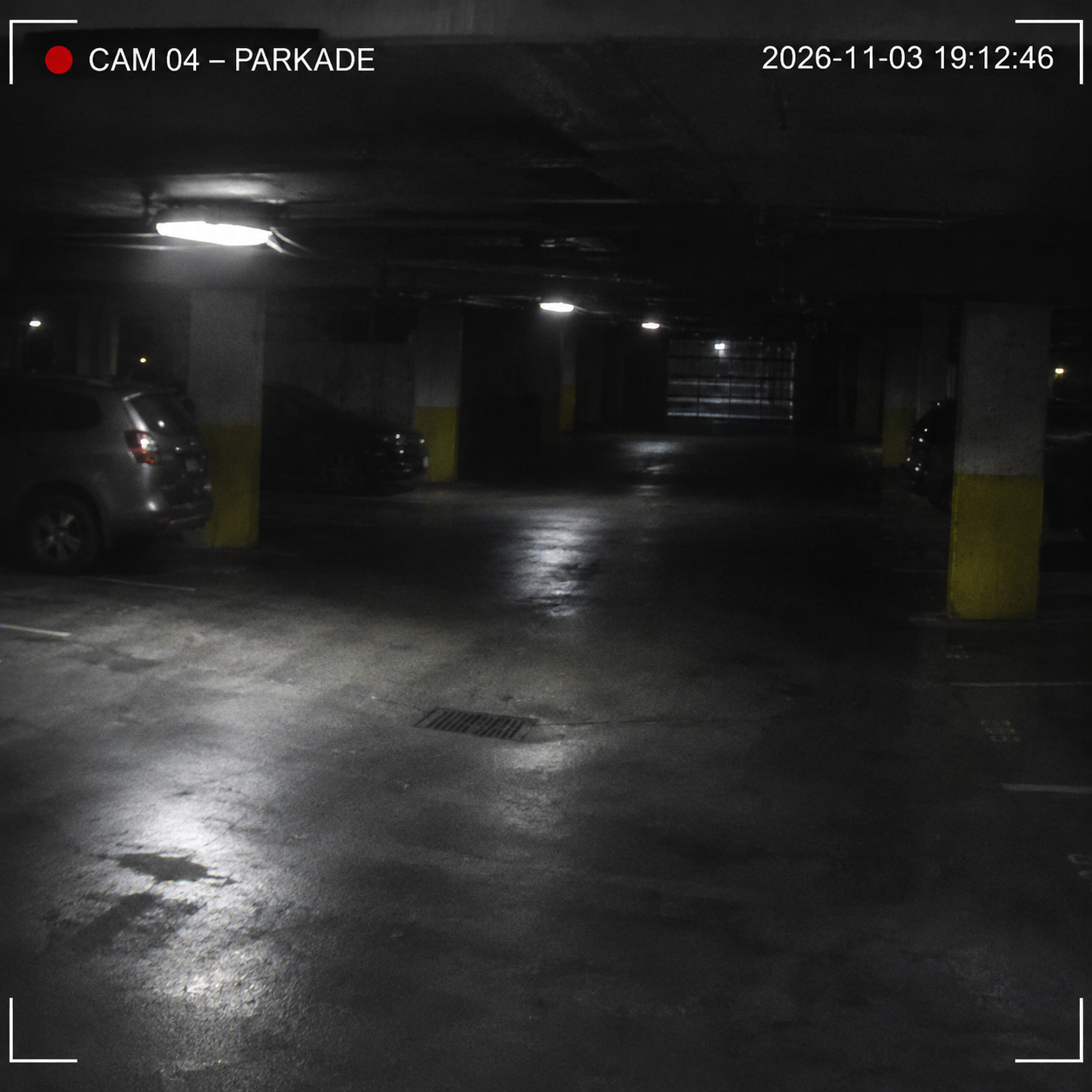
Poor lighting is one of the simplest and most overlooked security gaps. Walk the property after dark and note anywhere that’s darker than it should be, especially near entrances, parkades and pathways. Motion-activated lighting is inexpensive relative to almost anything else on this list, and it makes a real difference.
Most security gaps aren’t hidden. They’re just easy to stop seeing once they’ve been there long enough.
Ask Who Actually Still Has Access
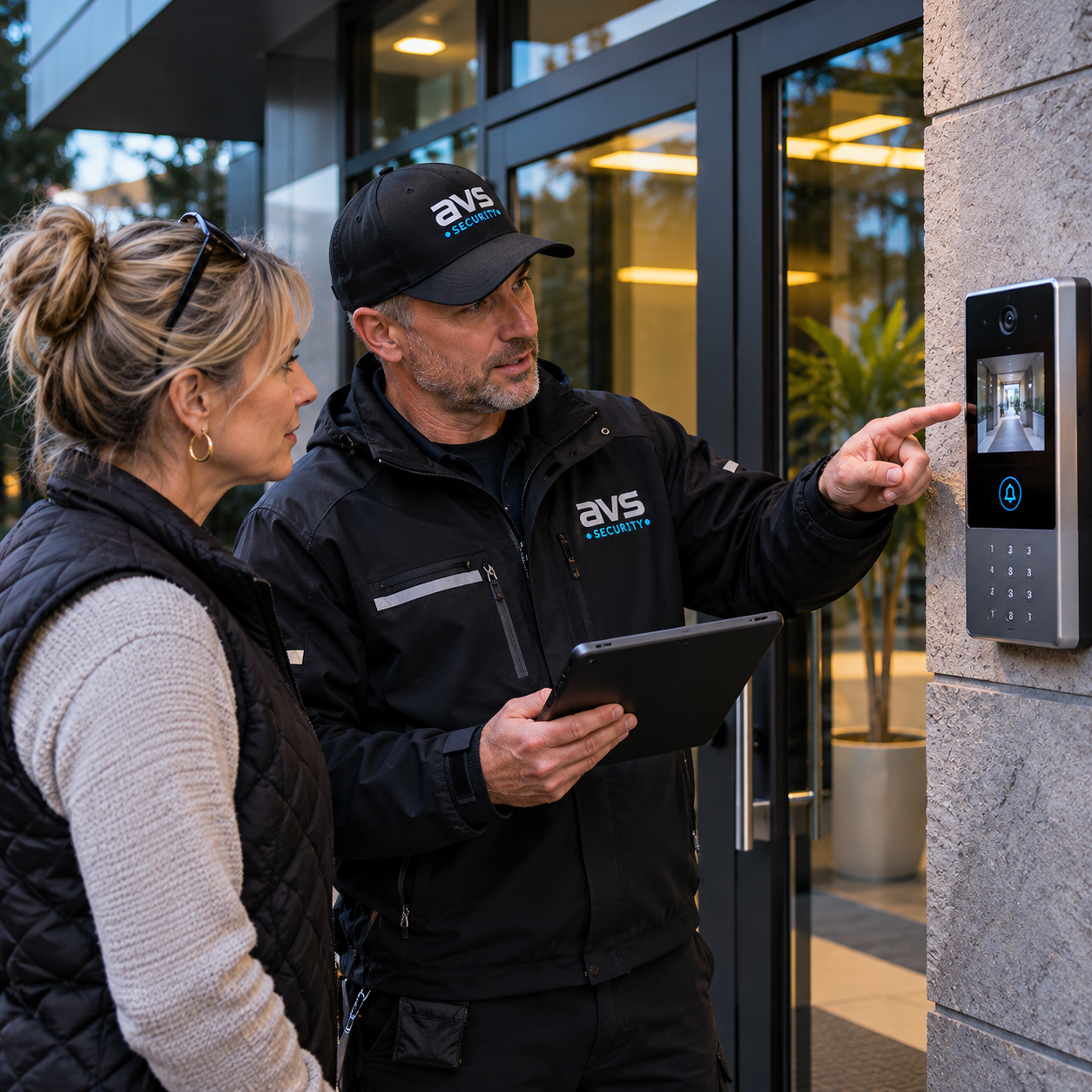
This is the one most property managers underestimate. Former tenants, past contractors, previous employees — how many old fobs, cards or codes are still active? Access control is only as strong as how consistently it’s maintained, and a system that’s never been audited almost always has more active credentials than it should.
Look at Your Incident History
Patterns matter. If the same parkade, entrance or storage area keeps coming up in incident reports or resident complaints, that’s not bad luck — it’s a specific, identifiable gap. Reviewing the last year of incidents, even informally, usually points to exactly where attention is needed most.
What to Do With What You Find
Not every gap needs an expensive fix. Some are as simple as a light fixture or a fob deactivation. Others — aging cameras, missing coverage, an access control system that’s never been properly audited — are worth a professional assessment before they become an actual incident instead of a hypothetical one.
Want a Second Set of Eyes on Your Property?
We’ll walk your building or site with you and point out what’s easy to miss when you see it every day.